The Sacred White Shrine
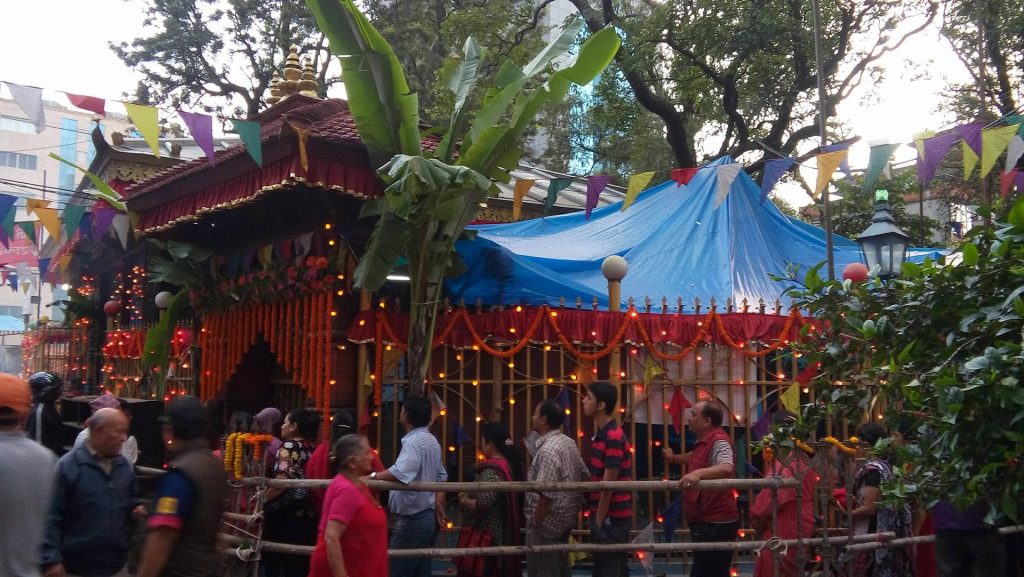
Located in the heart of the capital on Kamaladi Marg, Kamaladi Ganeshthan (popularly known as Kamaladi Ganesh or Seto Ganesh / White Ganesh) is one of Kathmandu’s most revered Ganesh shrines. Situated within a bustling commercial and administrative district, the temple’s serene courtyard provides an oasis of living spiritual devotion, attracting thousands of devotees seeking auspicious beginnings, prosperity, and the removal of obstacles.
Quick Facts and Key Information
Location: Kamaladi Marg, Kathmandu (Ward No. 28 / Bagbazar corridor), Bagmati Province, Nepal
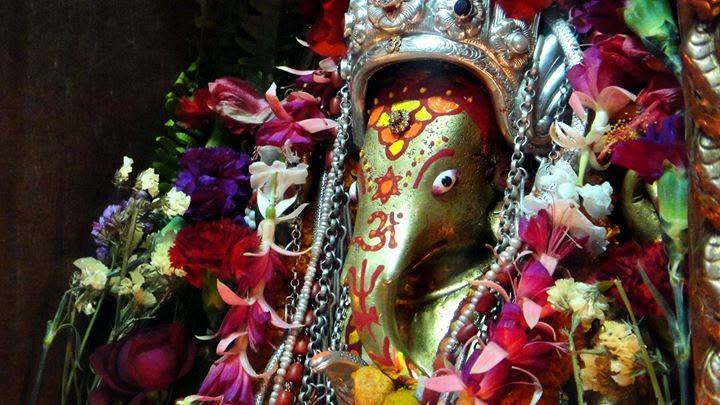
Principal Deity: Lord Ganesh (Revered as Seto Ganesh / White Ganesh)
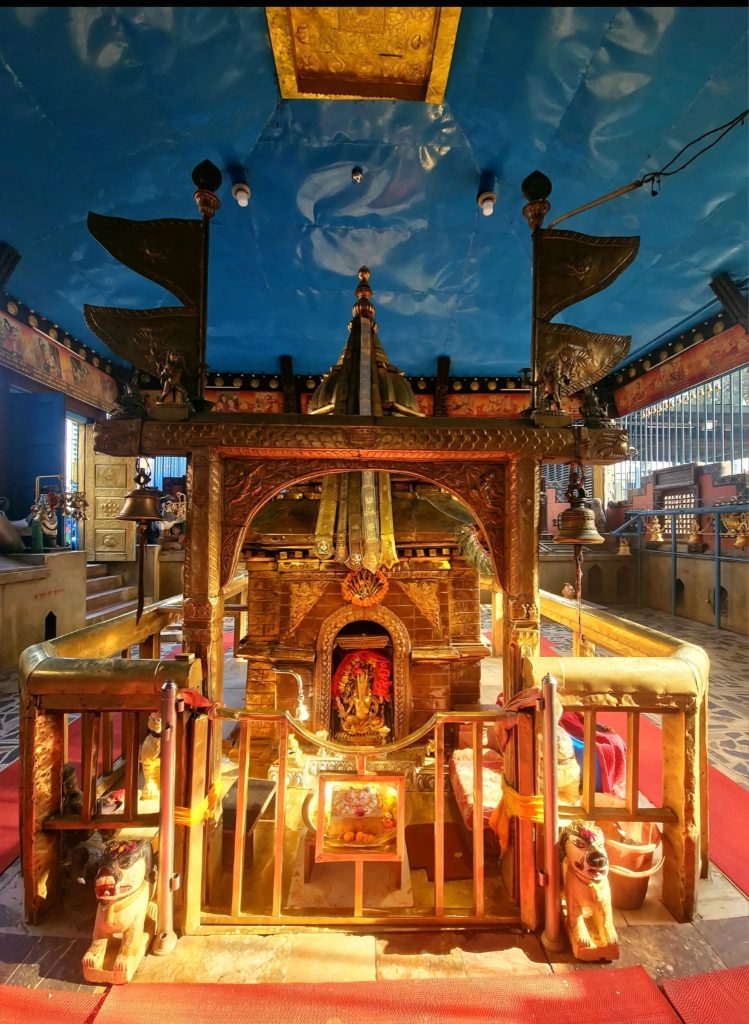
Temple Style: Traditional Nepali tiered shrine architecture with rich woodwork
Visiting Hours: Listed daily from 6:00 AM to 11:30 PM (Ceremonies follow separate schedules)
Busiest Days: Tuesdays (Peak devotion) and Saturdays
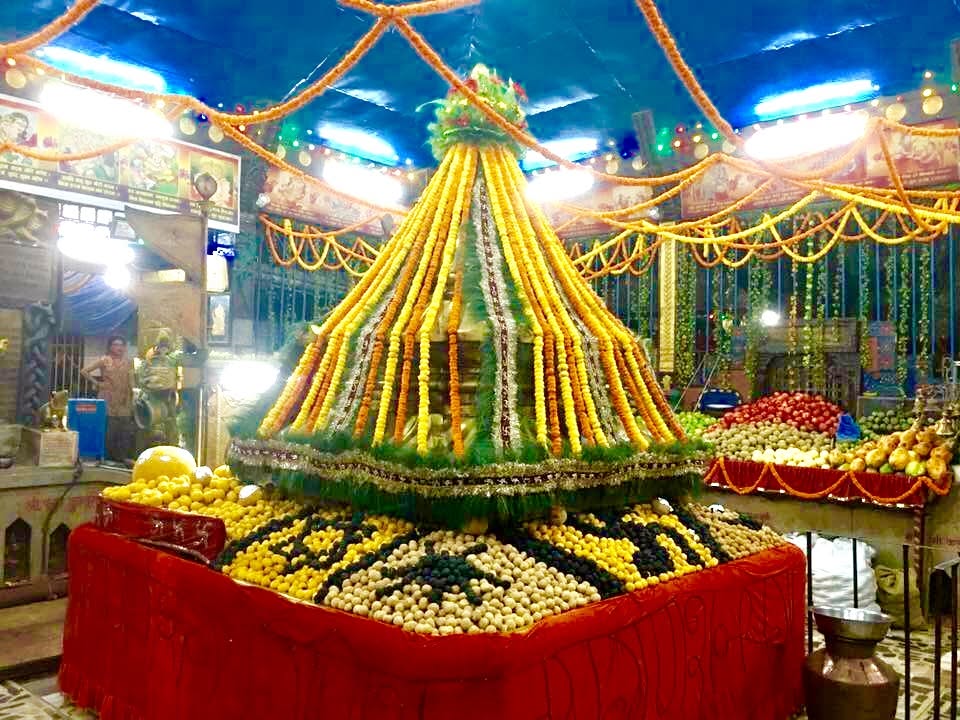
Major Annual Festivals: Ganesh Chaturthi, Sankashti Chaturthi, and Baisakh Purnima
Origins, Sacred Legend & Religious Significance
Kamaladi Ganesh is widely venerated as Seto Ganesh (White Ganesh). According to traditional accounts, centuries ago a natural white stone self-manifested in the shape of Lord Ganesh within the historic paddy fields of Kamaladi. Recognizing the sacred formation, devotees established a shrine around it, which evolved through continuous renovations into today’s richly adorned temple complex.
Beyond general blessings for wisdom and career success, local lore deeply associates the shrine with prayers for progeny. A famous historical tradition recounts that King Prithvi Bir Bikram Shah performed dedicated worship at Kamaladi Ganesh praying for an heir, following which his son, King Tribhuvan, was born—cementing the temple’s enduring reputation among parents and couples seeking children.
On the eastern periphery of the shrine, a lively street food culture has thrived for decades. Iconic local tea/coffee stalls and heritage Newari Khaja Ghars serve traditional beaten rice sets, choila, bara, and steaming milk tea, making morning visits a cherished community ritual for both devotees and officegoers.
Routes and Transportation Options
By Foot: Kamaladi Ganeshthan is centrally positioned in downtown Kathmandu. It is a brief 5–10 minute walk from Jamal Chowk, Ghantaghar, Ratna Park, Kamal Pokhari, or Putalisadak.
By Public & Ride-Share Transit: City microbuses and electric tempos frequently stop at Jamal, Ratna Park, and Putalisadak. App-based ride shares (Pathao, InDrive, Yatri) and taxis can drop visitors directly at the temple entrance along Kamaladi Marg.
Frequently Asked Questions
Why is Kamaladi Ganesh called “Seto Ganesh”?
It is called Seto Ganesh (White Ganesh) because the sacred deity was self-manifested from a naturally formed white stone discovered centuries ago in the paddy fields of Kamaladi.
When is the best day to visit Kamaladi Ganeshthan?
For a calm cultural visit, ordinary weekdays (Monday, Wednesday–Friday) are ideal. If you wish to witness peak religious fervor, morning and evening worship on Tuesdays and Saturdays offer the most authentic atmosphere.
What are the major festival occasions celebrated here?
The grandest celebration takes place on Ganesh Chaturthi, alongside monthly Sankashti Chaturthi observances and Baisakh Purnima rites.